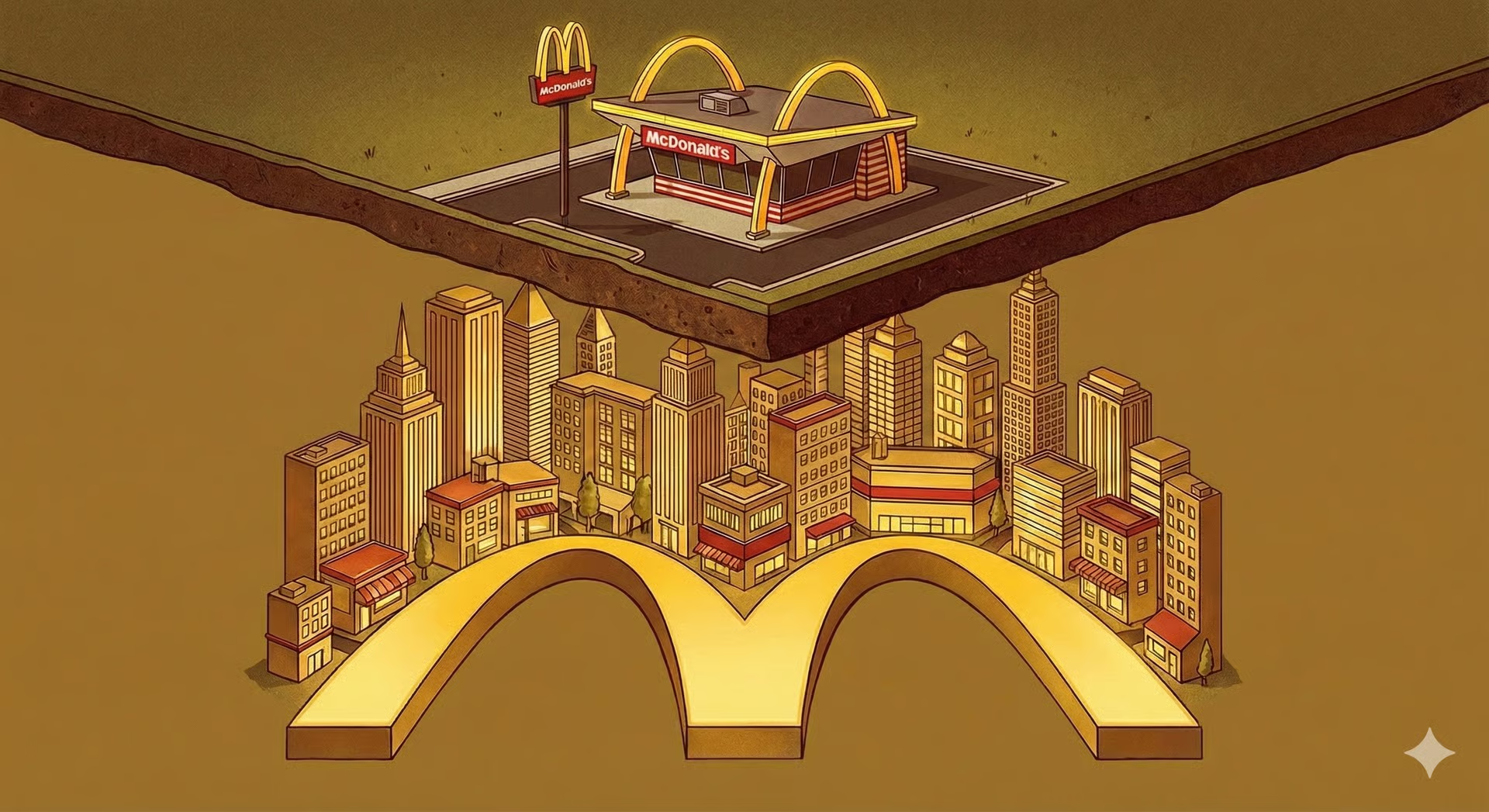
McDonald's Isn't a Burger Company. It's a Real Estate Empire.
Jan 12, 2026 · 2 min read
At a glance, McDonald's looks like the world's largest fast-food chain. Over 36,000 locations in 100+ countries. Billions of burgers served.
But peel back one more layer and you find something unexpected: more than 60% of McDonald's global operating income comes from rent and royalties, not Big Macs.
The Real Business Model
McDonald's doesn't just license its brand, it often owns the ground beneath it. The company controls about 45% of the land its restaurants sit on and over 70% of the buildings.
Former McDonald's CFO Harry J. Sonneborn said it best:
We are not technically in the food business. We are in the real estate business. The only reason we sell fifteen-cent hamburgers is because they are the greatest producer of revenue, from which our tenants can pay us rent.
In 2024, McDonald's kept 80% of franchise revenue as operating profit. Company-operated stores? Only 15% after covering food costs, labor, and overhead.
Why This Model Works
This setup gives McDonald's structural advantages most restaurant chains can't match:
- Predictable, recurring income — long-term leases generate steady cash flow regardless of how many burgers each location sells.
- Real estate appreciation — McDonald's owns high-traffic locations that grow in value over time.
- Insulation from market volatility — franchisees absorb shifting operating costs and economic swings.
That's why 95% of McDonald's restaurants are now franchised. Company-operated restaurants drive volume, but franchised locations drive margins.
The McDonald's Monopoly promotion isn't just iconic, it's a confession.